 Ultimate guide
Can You Fix a Herniated Disc Without Surgery?
Last Updated: November 16, 2026
Quick Summary
Yes, most herniated disc cases can be treated without surgery. Non-surgical treatment focuses on calming nerve irritation, restoring movement and strength, and preventing recurrence through a staged approach. Surgery remains an option, not a first resort, when structured conservative care fails.
- Lumbar disc herniation causes lower back pain that can travel into the buttock, thigh, or calf.
- Seek urgent care for loss of bladder or bowel control or groin numbness.
- Phase 1 of care calms the nerve using activity modification and anti-inflammatory medication.
- Physical therapy and graded activity have the most consistent evidence for improving function.
- See a specialist if pain persists despite weeks of conservative care or weakness progresses.
Table of Contents
- Why Most Herniated Discs Do Not Need Surgery
- Symptoms by Disc Location: Lumbar vs. Cervical
- Red-Flag Symptoms That Need Urgent Care
- A Staged Non-Surgical Treatment Pathway
- Treatment for Herniated Disc and Sciatica: What Works
- Medication, Injections, and Safety Risks
- How to Heal a Herniated Disc Quickly
- Signs a Herniated Disc Is Healing
- When to See a Specialist and What to Expect at iChiro Clinics
- Frequently Asked Questions
Why Most Herniated Discs Do Not Need Surgery
A herniated disc is a spinal disc whose soft inner core pushes through a tear in its tougher outer ring, and in most cases the body can calm the resulting nerve irritation without an operation. Many patients arrive convinced they need surgery, then improve with structured non-surgical treatment for herniated discs. The key is understanding what actually drives recovery.
Here is the part most guides get wrong. A herniated disc does not have to be "put back" for pain to resolve. Symptoms come from inflammation and pressure on a nerve root, and both can settle with time and the right care. Many people with disc protrusions on imaging feel no pain at all, which tells you the scan is not the whole story (Systematic Literature Review of Imaging Features of Spinal Degeneration in Asymptomatic...).
Non-surgical treatment for herniated discs focuses on reducing nerve irritation, restoring movement, and rebuilding strength so the problem does not return.
Symptoms by Disc Location: Lumbar vs. Cervical
Where the disc sits determines what you feel. A lumbar disc affects the back and legs; a cervical disc affects the neck and arms. Getting the location right shapes the entire treatment plan.
Lumbar Disc Symptoms: Back, Leg, and Sciatic Pain
Lumbar disc herniation typically causes lower back pain that travels into the buttock, thigh, or calf. When the nerve root is compressed, you may feel sciatica: sharp, burning, or electric radicular pain down one leg. Numbness, tingling, or weakness in the foot can follow. Symptoms often worsen with sitting, bending, or coughing.
Cervical Disc Symptoms: Neck, Arm, and Hand Pain
Cervical disc herniation produces neck pain that radiates into the shoulder, arm, or hand. Patients describe numbness or tingling in specific fingers, and grip weakness is common. Turning the head or looking up may aggravate the nerve irritation.
Red-Flag Symptoms That Need Urgent Care
Most herniated discs are safe to manage conservatively, but some symptoms signal a medical emergency. Seek urgent care immediately for:
- Loss of bladder or bowel control
- Numbness in the groin or inner thighs (saddle anesthesia)
- Sudden, severe weakness in one or both legs
- Progressive weakness in an arm or hand
- Fever, chills, or unexplained weight loss alongside back pain
- Pain after significant trauma
These can indicate cauda equina syndrome or another serious condition. Watch out: dismissing saddle numbness as "just sciatica" can cause permanent nerve damage. This is the one situation where hours matter.
A Staged Non-Surgical Treatment Pathway
Recovery from a herniated disc is generally best understood as a process rather than a single appointment, and a staged approach is commonly used in non-surgical care.

Phase 1: Calm the Nerve and Control Pain
The first goal is reducing inflammation and nerve irritation. This phase may include activity modification, short relative rest, anti-inflammatory medication, and gentle positioning. Aggressive manipulation is generally avoided while a nerve is acutely inflamed.
Phase 2: Restore Movement and Strength
Once pain settles, guided exercise returns range of motion and builds supporting muscle. Physical therapy, stretching, and controlled core work protect the healing disc.
Phase 3: Prevent Recurrence
The final phase is about durability: ergonomics, lifting mechanics, and a maintenance routine. Regular retesting can help track progress and prevent regression.
Treatment for Herniated Disc and Sciatica: What Works
Effective treatment for herniated disc and sciatica is often best understood as a sequence. The evidence generally favors active, multimodal care over passive measures alone, and the order in which tools are used matters. Here is how the main options compare, what each one can realistically accomplish, and where the evidence is stronger or weaker. (Source: National Institute of Arthritis and Musculoskeletal and Skin Diseases)
| Treatment | Best For | Typical Role | What It Can and Cannot Do | Limitations |
|---|---|---|---|---|
| Activity modification | Acute flare-ups | First-line, days 1-14 | Reduces aggravation; does not change the disc | Not a standalone fix |
| Physical therapy | Restoring strength and motion | Core of recovery, weeks 2-12 | Builds supporting muscle and restores range; does not "push the disc back" | Needs consistency |
| Anti-inflammatory medication | Pain and inflammation | Short-term relief, days 1-10 | Quiets inflammation; does not heal the tear | GI and kidney risks with prolonged use |
| Muscle relaxants | Muscle spasm | Short-term use, usually under 1 week | Reduces spasm; does not address nerve irritation | Drowsiness, dependence risk |
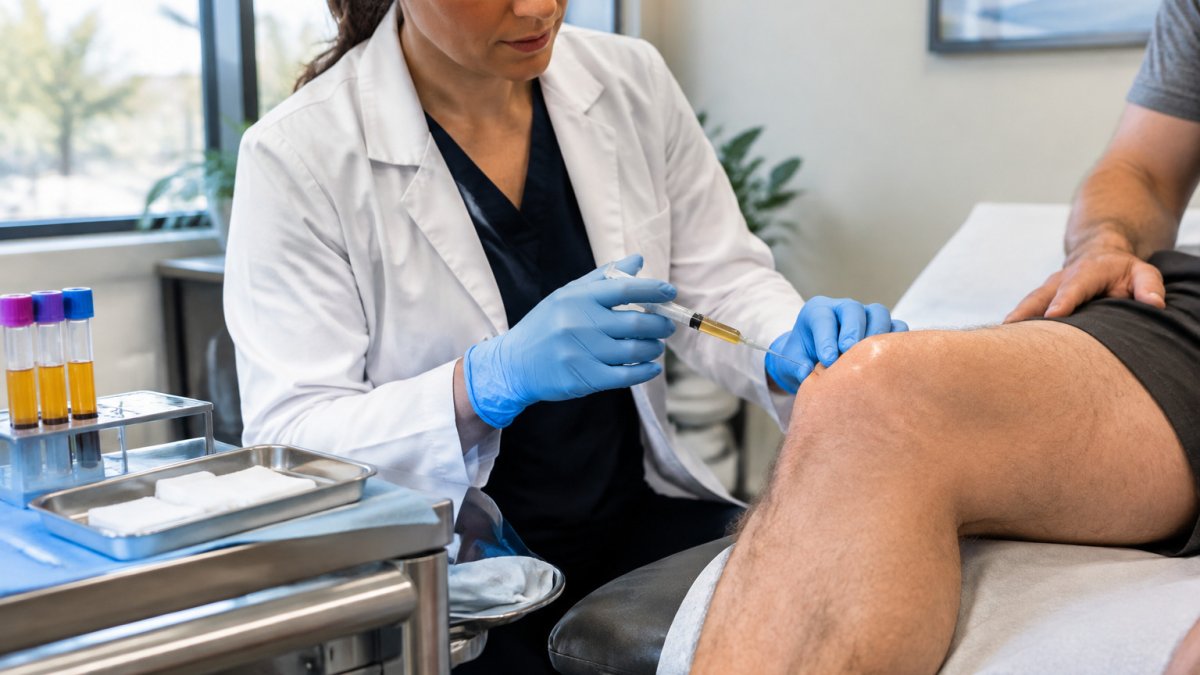
| Epidural steroid injection | Severe radicular pain | Bridge to therapy when pain blocks participation | Can relieve nerve-root inflammation for weeks to months; does not shrink the herniation | Temporary; repeat injections are limited |
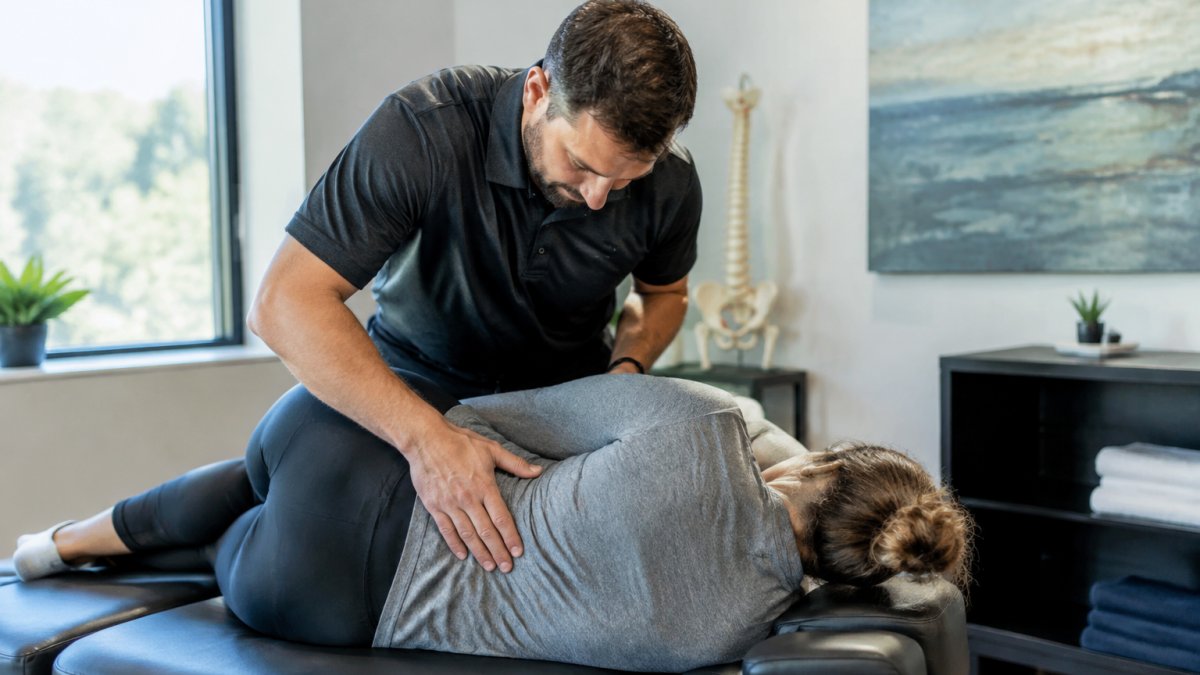
| Chiropractic care | Mobility and alignment | Supports function once acute nerve pain settles | May improve motion and reduce mechanical irritation | Avoid aggressive manipulation during acute severe nerve pain |
| Acupuncture | Adjunct pain relief | Complementary | Modest, variable relief; does not alter disc anatomy | Variable response |
A practical way to read this table is by what each option actually changes. Activity modification, medication, and injections work on the inflammatory and pain side of the problem. Physical therapy, chiropractic care, and graded activity work on the mechanical and functional side. None of them physically removes the herniation, and that is fine, because most symptoms come from nerve-root inflammation and pressure that settle with time and the right care. The American Academy of Orthopaedic Surgeons notes that most herniated discs improve with nonsurgical treatment, which is why we sequence care rather than rush to intervene.
Evidence quality varies by treatment, and it is worth being honest about that. Physical therapy and graded activity have the most consistent support for improving function and reducing disability. Epidural steroid injections have good evidence for short-term relief of radicular pain, but the effect tends to fade and does not change the underlying disc. Chiropractic care and acupuncture have weaker and more variable evidence. Combining active care with short-term symptom control is commonly described as more effective than relying on any single passive measure.
Treating the scan instead of the symptoms is a common concern in disc care. Many people with disc protrusions on imaging feel no pain at all.
Medication, Injections, and Safety Risks
Medication can quiet pain enough to let you move, but it is a tool, not a cure, and the safety details matter more than most guides admit. Nonsteroidal anti-inflammatory drugs reduce inflammation but carry gastrointestinal and kidney risks with prolonged use, and they are generally avoided in people with active ulcers, significant kidney disease, or a history of cardiovascular events. Muscle relaxants help spasm and cause drowsiness, so driving and alcohol are poor combinations. Opioids are generally avoided for disc pain because the risks outweigh the benefits.
Epidural corticosteroid injections deliver medication near the nerve root and can relieve severe radicular pain, though relief is often temporary and repeat injections are limited. Short courses of injections are sometimes used as a bridge to physical therapy rather than as a standalone strategy. Injections are not appropriate for everyone: active infection, uncontrolled bleeding disorders, and poorly controlled diabetes are among the situations where a clinician may pause or choose a different route. As the FDA's guidance on safe medication use emphasizes, these decisions belong with a clinician who knows your history. Never combine medications without checking, overlapping NSAIDs, for example, is a common and avoidable source of GI and kidney harm.
Self-managing a flare with borrowed medication or a leftover prescription can create medication-safety problems.
How to Heal a Herniated Disc Quickly
No one can rush biology, but you can remove the obstacles to recovery. Learning how to heal a herniated disc quickly comes down to consistency and avoiding setbacks.
- Stay gently active instead of bed-bound; prolonged rest slows healing
- Follow your exercise plan even on good days
- Fix your desk setup to reduce sustained spinal load
- Avoid heavy lifting and twisting during flare-ups
- Hydrate, sleep well, and manage stress
- Keep appointments so progress can be measured
Doing too much too soon when pain eases can cause a rebound in symptoms.
Signs a Herniated Disc Is Healing
Recognizing signs a herniated disc is healing keeps you motivated. Improvement usually follows a pattern: leg or arm pain shrinks before back or neck pain, numbness fades gradually, and you tolerate more movement with less discomfort. Sleep improves. You can sit or stand longer.
Recovery is rarely linear. Good days and bad days are normal. What matters is the trend over weeks, not hours. If symptoms worsen or new weakness appears, that is your cue to check in with your care team.
When to See a Specialist and What to Expect at iChiro Clinics
See a specialist if pain persists despite weeks of conservative care, weakness progresses, or symptoms interfere with daily life. A surgical consultation may be considered when structured nonsurgical treatment has not delivered results. Surgery remains an option, not a first resort.
At iChiro Clinics, we start with a thorough evaluation and build a customized, data-driven care plan. iChiro Clinics takes an integrative approach that combines chiropractic care with regenerative medicine, including stem cell therapy, PRP, and IV nutritional treatments. Care plans are customized and regularly retested to track progress. Dr. Michael Kwast founded the clinic, which has served the Grand Rapids area since 1998.
If disc pain is steering your life, you do not have to choose between waiting it out and going under the knife. iChiro Clinics offers customized care plans, gentle computerized adjustments, and regenerative options that address the root cause. Get started with iChiro Clinics and restore movement with a plan built around your body.
Frequently Asked Questions
Is there a way to fix a herniated disc without surgery?
Yes, most people with a herniated disc improve without surgery. Non-surgical treatment for herniated discs typically includes activity modification, physical therapy, anti-inflammatory medication, and sometimes epidural steroid injections. Many patients see symptom relief within several weeks to a few months. The herniation itself may not disappear, but nerve irritation often settles as inflammation decreases and the disc material shrinks over time. A qualified clinician can assess whether your symptoms are appropriate for conservative care or need surgical evaluation.
How long does it take to recover from a herniated disc without surgery?
Recovery varies by disc location and symptom severity. Many people notice improvement within several weeks, and relief often continues over a few months. Leg or arm pain from nerve compression often resolves faster than back or neck pain. Factors that slow recovery include prolonged bed rest, smoking, and not following a guided exercise plan. Your recovery timeline should be tracked by a clinician who can adjust treatment as your signs of healing change.
What are the signs a herniated disc is healing?
Signs a herniated disc is healing include less radiating pain into the leg or arm, improved range of motion, reduced numbness or tingling, and better tolerance for sitting, standing, or walking. You may notice you can sleep through the night without pain or that previously aggravating movements feel easier. Strength returning to the affected limb is a positive sign. These improvements usually happen gradually, so tracking symptoms week by week gives a clearer picture than day-to-day comparisons.
What is the newest non-surgical treatment for herniated discs?
Recent non-surgical options include targeted physical therapy programs, ultrasound-guided epidural steroid injections, and regenerative approaches such as platelet-rich plasma (PRP). Evidence for regenerative treatments is still developing, so outcomes vary. The newest approaches are usually combined with established care like activity modification and guided exercise rather than replacing them. Ask a clinician which options are appropriate for your specific disc location and symptoms before committing to any treatment plan.
When should I see a doctor for herniated disc symptoms?
See a doctor promptly if you have severe pain that does not improve with rest, progressive weakness in an arm or leg, numbness in the groin or saddle area, or loss of bladder or bowel control. These red-flag symptoms can indicate cauda equina syndrome, a medical emergency requiring immediate care. For less urgent symptoms, a clinician can confirm the diagnosis, rule out other causes, and build a staged treatment plan. Early assessment often prevents unnecessary escalation.